

As a dental practice, maintaining a strong connection with your patients is crucial for long-term success.
However, it’s not uncommon to experience a dip in patient engagement, resulting in inactive patients.
In this blog, we will explore five simple yet effective strategies to revitalize patient engagement and bring back those inactive patients.
By implementing these patient engagement solutions, you can enhance your practice’s growth and foster lasting relationships with your valued patients.
 Take the time to understand your patients’ needs and preferences. Utilize personalized communication channels such as targeted emails, customized text messages, and social media interactions to rekindle their interest.
By tailoring your communication to their specific needs, you demonstrate that you value their individual experiences, increasing the likelihood of their return.
Take the time to understand your patients’ needs and preferences. Utilize personalized communication channels such as targeted emails, customized text messages, and social media interactions to rekindle their interest.
By tailoring your communication to their specific needs, you demonstrate that you value their individual experiences, increasing the likelihood of their return.
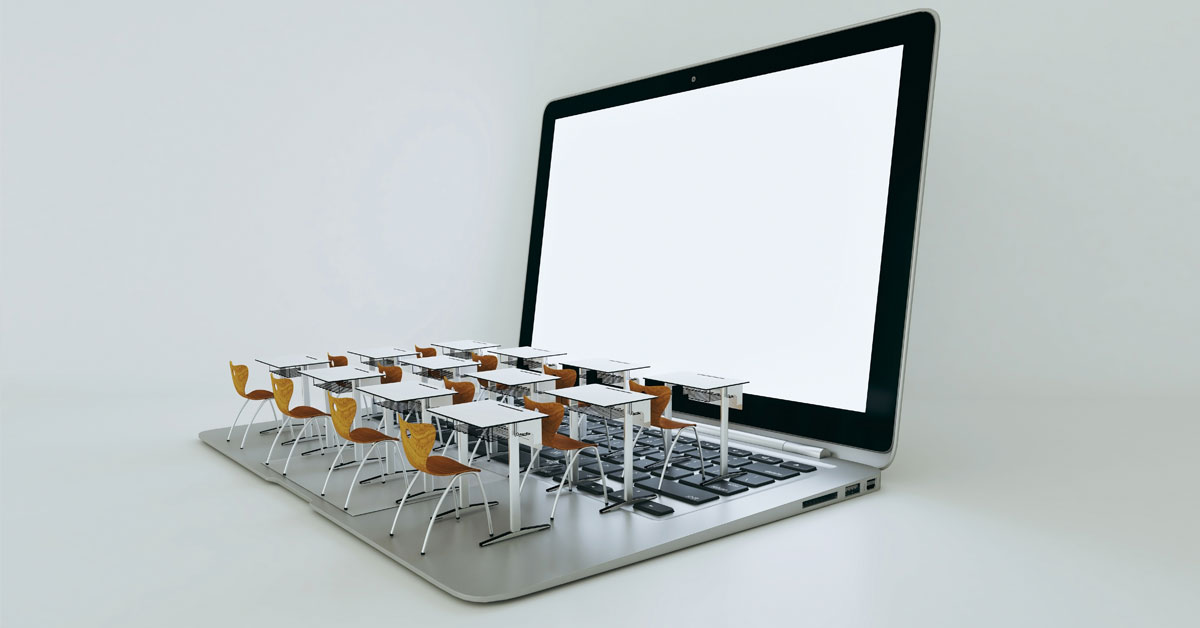 Educate your patients about the importance of regular dental visits and oral health maintenance.
Develop informative blog posts, newsletters, or video content that not only provides valuable insights but also serves as a gentle reminder of your practice’s expertise.
By offering educational resources, you position yourself as a trusted authority and motivate patients to schedule their next appointment.
Educate your patients about the importance of regular dental visits and oral health maintenance.
Develop informative blog posts, newsletters, or video content that not only provides valuable insights but also serves as a gentle reminder of your practice’s expertise.
By offering educational resources, you position yourself as a trusted authority and motivate patients to schedule their next appointment.
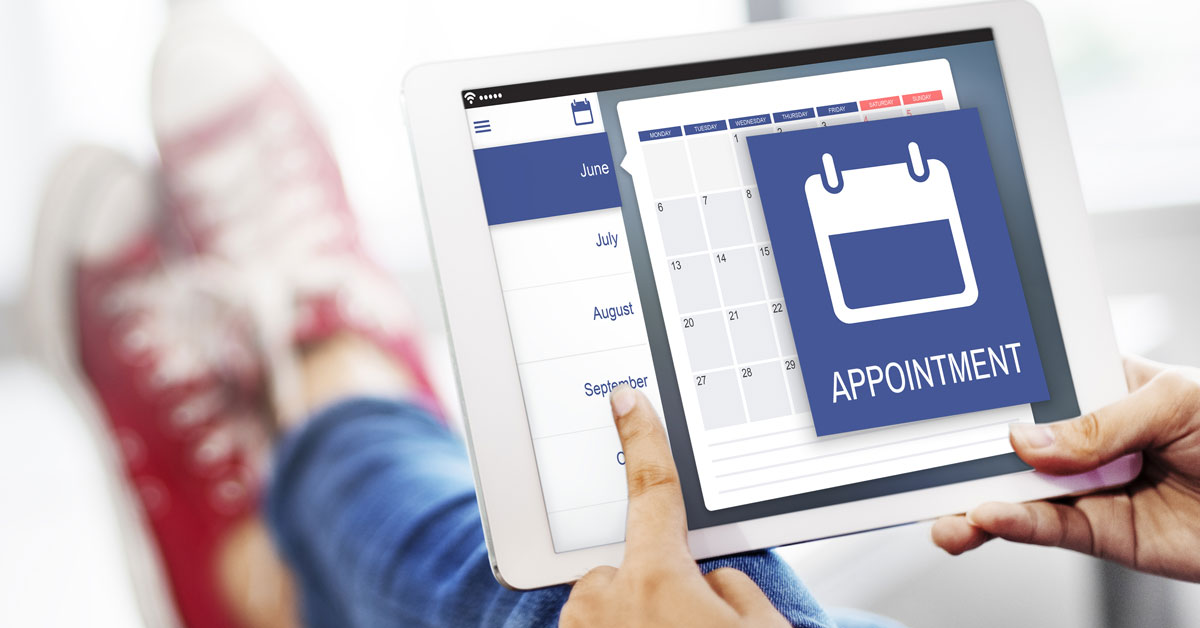 Leverage technology to streamline the appointment booking process and minimize missed appointments.
Implement automated appointment reminders via email or text messages to keep patients informed and engaged. Additionally, offering online scheduling options makes it convenient for patients to book appointments, increasing the chances of their return.
Leverage technology to streamline the appointment booking process and minimize missed appointments.
Implement automated appointment reminders via email or text messages to keep patients informed and engaged. Additionally, offering online scheduling options makes it convenient for patients to book appointments, increasing the chances of their return.
1. Personalized Communication:
Take the time to understand your patients’ needs and preferences. Utilize personalized communication channels such as targeted emails, customized text messages, and social media interactions to rekindle their interest.
By tailoring your communication to their specific needs, you demonstrate that you value their individual experiences, increasing the likelihood of their return.
2. Re-engage through Education:
Educate your patients about the importance of regular dental visits and oral health maintenance.
Develop informative blog posts, newsletters, or video content that not only provides valuable insights but also serves as a gentle reminder of your practice’s expertise.
By offering educational resources, you position yourself as a trusted authority and motivate patients to schedule their next appointment.
3. Appointment Reminders and Online Scheduling:
Leverage technology to streamline the appointment booking process and minimize missed appointments.
Implement automated appointment reminders via email or text messages to keep patients informed and engaged. Additionally, offering online scheduling options makes it convenient for patients to book appointments, increasing the chances of their return.