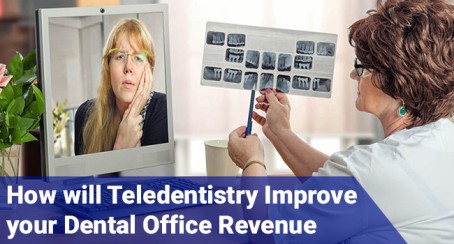



Teledentistry, a convenient method for remotely communicating with patients, is becoming more popular among dentists due to the COVID-19 pandemic. Although this mode of telecommunication has been available for over a decade, many dentists have not found the necessity for utilizing it until recently.
Prior to COVID-19, teledentistry was primarily used to reach the most disadvantaged and poverty-stricken patients in urban and rural areas, specifically where patients don’t have accessible dental healthcare. Teledentistry is a component of telehealth that is based on utilizing telecommunications and information technology for dental care delivery to patients in the comfort of their own home.
This method of communication enables dentists the ability to streamline office operations including patients’ record maintenance, appointment scheduling, patient registration, and management of inquiries. Especially during the current pandemic, dentists are finding teledentistry to be an indispensable tool for providing dental care and consultations.
Teledentistry- An Indispensable Communication Tool
The COVID-19 pandemic has created disastrous repercussions for the dental care industry, leading to dramatically decreased office revenues, reported at less than 5 percent of normal revenue, and countless laid off dental staff. As per the American Dental Association, more than three-fourths of dental care providers in the U.S. are accepting emergency patients only, with many others closing completely.
Teledentistry has emerged as a great solution for both dental care providers and dental care seekers. Teledentistry has effectively become an essential tool for dentists to remotely interact with patients and provide education, services, diagnoses with their proper treatments, and consultations to patients.
Why do dental offices find Teledentistry to be an indispensable asset?
Dentists find mConsent telecommunication tools useful for a variety of visits including the following:
- Consultations (triage emergency and initial)
- Pre-visit screenings
- Post-op visits
- Treatment plans
- Group video interactions with specialists and patients both present

Dental practices embracing mConsent’s low-cost televist software enjoy numerous features:
- Interactive HD video and audio
- Link provided for communication services
- Send online consent forms and packets to patients via email and text
- Access televists on any device (mobile phones, computers, tablets, and iPads)
- Detailed billing information
- Send payment requests to patients via email and text messages
- Collect payments remotely and provide online receipts
- Send appointment reminders
- Secured end-to-end encryption of collection, storage and transmission of data
- Customer support services
- 100% HIPAA compliant
These indispensable tools included in mConsent’s teledentistry services ensure the smooth operations and accessibility of quality dental care. Our Televisit services contribute to slowing down the spread of COVID-19 by allowing patients to receive dental care at home via telecommunication.
Teledentistry-Connecting with institutions
Connecting with the broader public health sector is an important factor that dentists will want to consider. Teledentistry opens that avenue of communication enabling dentists easy communication with multiple institutions. Mobile dental clinics and related outreach programs become easier to manage with resources like teledentistry.
Tele-dentists are provided access to relevant dental-related images to diagnose and treat problems more efficiently. Through the advent of teledentistry, dental care providers can easily refer patients to specialists, and seek dental advice from suitable resources when needed.
This, in turn, leads to top-quality dental care for patients. This also develops a channel of communication with other health care professionals, which will increase patient referrals into your own practice. The benefits of including teledentistry in your practice are countless.
What do Dental Offices need to have for Teledentistry?
Technology is at the core of teledentistry. For your dental office to adopt innovative tele-dental care the basic technological tools you will want to have in advance include:
- Internet access for both the dental office (dentist) and the patient
- Smartphone or computer with high resolution Webcam for Video Conferencing
Conclusion
Embracing teledentistry for your dental practice, particularly amidst the COVID-19 pandemic will bring you a plethora of benefits. With many dental practices on the verge of closing their doors, teledentistry provides an avenue to continue bringing in profit via patient consultations, diagnoses, treatments and more.
The transmission, collection and storage of patient data is simplified and secured with state-of-the-art software. Teledentistry comes with many indispensable features enabling interactive visual and audio telecommunication with clients, other health professionals, and various institutions. Consider teledentistry for your dental practice and enjoy the many benefits provided.