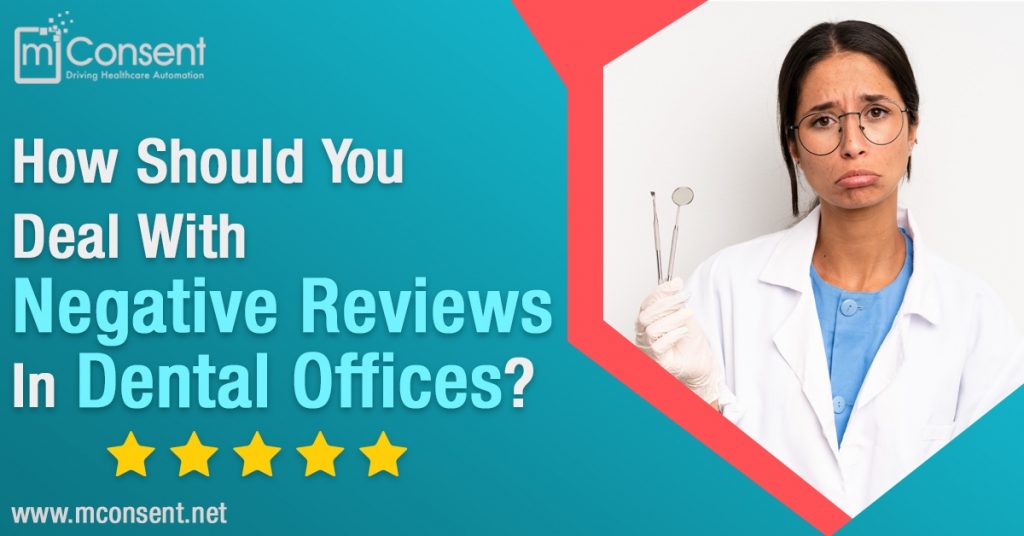



A dentist loves getting compliments and good reviews, especially from cases that are hard to handle. But let’s be honest: dealing with negative reviews can ruin the mood of your dental practice.
What you do about these negative comments can make or break your relationship with unhappy patients and possible clients. Here are the things you can do to deal with those negative reviews of your dental office.
 Surprisingly, sometimes competitors post bad reviews to hurt the reputation of a business. If you can’t figure out who wrote the review, you can report it straight to the site’s administrators and ask that it be taken down.
Patients sometimes get dentist offices mixed up, which causes them to post about the wrong practice. By explaining these mistakes clearly, you can let the patient know that they wrote about the wrong office, and you can then ask them to take down the post.
Surprisingly, sometimes competitors post bad reviews to hurt the reputation of a business. If you can’t figure out who wrote the review, you can report it straight to the site’s administrators and ask that it be taken down.
Patients sometimes get dentist offices mixed up, which causes them to post about the wrong practice. By explaining these mistakes clearly, you can let the patient know that they wrote about the wrong office, and you can then ask them to take down the post.
 Addressing bad reviews is like screaming from the rooftops that your customers are your main focus. It reveals that you value the whole process, not just the cleanings and fillings.
 Negative reviews that you don’t respond to can hurt your online image. The online community will know that you care about customer satisfaction if you react quickly and professionally. This not only helps counteract the effects of bad feedback but also shows that your business cares about its customers.
 Offer real, doable answers that directly address the nature of the complaint. This shows that you are taking the initiative to solve the problem.
Encourage a private conversation and give the patient your contact information in case they need to. This makes it possible for a more thorough and personalized answer.
Offer real, doable answers that directly address the nature of the complaint. This shows that you are taking the initiative to solve the problem.
Encourage a private conversation and give the patient your contact information in case they need to. This makes it possible for a more thorough and personalized answer.
2 questions to ask with negative reviews
- Is the review from an actual patient?
- Is the rating a reflection of services provided or a different matter?
1. Is the review from an actual patient?
Surprisingly, sometimes competitors post bad reviews to hurt the reputation of a business. If you can’t figure out who wrote the review, you can report it straight to the site’s administrators and ask that it be taken down.
Patients sometimes get dentist offices mixed up, which causes them to post about the wrong practice. By explaining these mistakes clearly, you can let the patient know that they wrote about the wrong office, and you can then ask them to take down the post.
2. Is the rating a reflection of services provided or a different matter?
People who write reviews say a lot of different things, not just about the dentist’s services. Some of them might be more about your dentist skills than the hassles of insurance. When someone complains about your great services but not about them specifically, be polite and ask them to get in touch for a chat. You should show some heart and promise to fix things if it’s about service, though. That way, future clients will know you’re on top of your game. Best Creative Ways to Acquire Online Reviews for Your Dental PracticeWhy Your Dental Office Should Respond to Negative Reviews?
When you’re all about having a good time, reading bad reviews can be pretty depressing. But here’s the thing: reacting to those mean comments changes everything, and it’s not just to save face. Let’s look at why talking to your haters is a cool thing to do.1. Putting patients first:
Addressing bad reviews is like screaming from the rooftops that your customers are your main focus. It reveals that you value the whole process, not just the cleanings and fillings.
2. Reassures Current and Future Patients:
Everyone reads reviews about dentists before picking one, right? Dealing with negative feedback shows your present and potential patients that you’re paying attention. Simply put, it’s a way of saying “Hey, we’re here for you, and we value your thoughts.”3. Builds Trust with Potential Customers:
Negative reviews can be like getting a dental checkup—they’re painful but important. You can improve in the places that they point out. Replying means turning “oops” times into chances to shine even more.4. Corrects Misinformation:
Ignoring bad reviews can make people feel bad about your business for a long time. Responding gives you a chance to tell your side of the story, clear up any confusion, and show how committed you are to caring for your patients. This proactive strategy helps fight back against bad press and makes your online reputation more balanced.5. Enhances Your Online Reputation:
Negative reviews that you don’t respond to can hurt your online image. The online community will know that you care about customer satisfaction if you react quickly and professionally. This not only helps counteract the effects of bad feedback but also shows that your business cares about its customers.
6. Demonstrates Professionalism:
Adding some heart to your answers to bad reviews not only shows that your dental office is professional and sensitive, but it also shows that you can handle criticism with class. Additionally, it shows that you are ready to do what it takes to address issues, which is good for your general reputation.How To Respond to Negative Reviews?
Negative reviews are an unavoidable part of running a dental office. Handling them professionally is essential for keeping a good online image. Here is a structured list of things you can do to react to bad reviews.1. Maintain composure:
Avoid reacting right away and instead focus on a calm and collected answer. Do not react emotionally to negative reviews, as this could make the problem worse. Give yourself time to think about the comments. This means looking at the specific concerns raised and the bigger picture before coming up with an answer.2. Express Gratitude and Acknowledge Concerns:
To start your response, sincerely thank the person for their comments. This makes a good impression and shows that you’re willing to listen to constructive feedback. Take note of the specific worries the patient has brought up. This shows that you are listening and taking their comments seriously, as well as confirming what they said.3. Sincere Apology and Empathy:
Offer an honest and heartfelt apology for any problems you think the patient may have had. Accept that their experience wasn’t what they were hoping for. Use understanding words to show that you’re sorry for any trouble this may have caused. This helps you connect with the patient and show that you are truly committed to fixing the problem.4. Propose Practical Solutions:
Offer real, doable answers that directly address the nature of the complaint. This shows that you are taking the initiative to solve the problem.
Encourage a private conversation and give the patient your contact information in case they need to. This makes it possible for a more thorough and personalized answer.