In the past, dental practices handled payments in the back office. Today, it’s a frontline job with a direct impact on revenue, patient satisfaction, and how well the business runs.
Because of higher patient expectations, digital-first behaviors, and more competition in dentistry, practices can no longer afford to use old billing systems. Delayed payments, old accounts receivable, manual reconciliation, and high merchant fees all quietly eat away at profits.
That’s why the talk in 2026 isn’t just about getting better payment software.
It’s about changing the way practices handle money.
This is where the comparison between mPayr and regular dental payment software becomes very important.
In 2026, dental offices won’t just be getting better; they’ll also be changing the way they handle money.
The Changing Dental Payment Landscape
Patient Financial Behavior in 2026
Patients today act more like shoppers than people who pay for healthcare.
They want:
- Payment options that are digital first
- Links to pay by text and email
- Payments made with a mobile wallet or without contact
- Plans that can change over time
- Instant confirmations
Younger patients really want modern UX. People expect their dentist to be just as easy to work with as they are when they pay for groceries and streaming services in seconds.
Models that let you buy now and pay later, automatic reminders, and card-on-file systems are becoming more common. Practices that still use paper statements or make manual calls are struggling to collect payments and earn good reviews.
Practice Revenue Pressures
Dental offices are also feeling more financial pressure:
- Insurance payments don’t keep up with inflation.
- Delays in claims make the administration’s job harder.
- No-shows and cancellations affect daily production.
- Lack of staff makes front desk teams work harder.
What happened? Payment follow-ups are often late. Accounts receivable get older. Staff burnout goes up.
Payment systems are no longer just nice-to-have tools; they are important ways to make money.
The Cost of Old Software
Traditional payment software often creates hidden operational costs:
- Manual reconciliation between processor and PMS
- Time spent handling disputes
- High merchant fees (2-3% annually)
- Limited automation
- Weak reporting insights
These inefficiencies cost far more than the software’s subscription price.
What Is “Traditional Dental Payment Software”?
Classic Features & Limitations
Traditional dental payment systems typically include:
- Desktop-centric platforms
- Basic card processing
- Manual billing workflows
- Simple reporting dashboards
- Limited mobile functionality
Automation is minimal. Integration is often partial. Notifications are manual.
These systems were built for processing payments, not managing the entire financial workflow.
Common Pain Points Practices Report
People who use traditional systems often say:
- Bad integration with the software for managing practice
- Long times for batch processing
- No financial analytics in real time
- Posting by hand into PMS
- Patient reminders that aren’t strong or don’t exist
To make up for this, front desk teams often use spreadsheets, make reminder calls, and keep track of things by hand.
What Practices Are Doing Today
To bridge gaps, many practices:
- Use standalone payment processors
- Hire third-party billing firms
- Create patchwork workflows combining multiple tools
While this works temporarily, it increases complexity and cost.
Introducing mPayr
What Is mPayr?
mPayr is a part of the mConsent dental ecosystem. It is a modern payment system made just for dental work.
mPayr differs from other processors by combining communication, automation, and financial tracking into a single system.
It is:
- Optimized for mobile
- Driven by automation
- Made for accepting dental cases and setting up long-term payment plans
- Made to work with the best PMS systems
Not only does it handle payments, but it also tracks income.
Core Capabilities
mPayr offers:
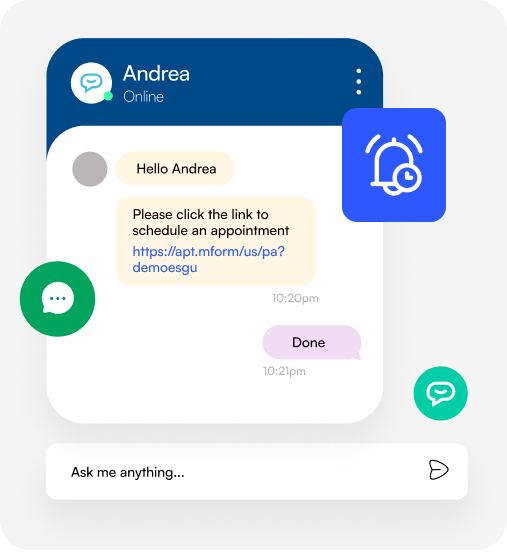
- Smart payment reminders via SMS and email
- Contactless and card-on-file payments
- Recurring billing and subscription-style plans
- Automated posting into PMS systems like:
- Eaglesoft
- Dentrix
- Open Dental
- Real-time reporting dashboards
- Trend tracking and AR visibility
- Dispute handling workflows
- PCI Level 1 secure infrastructure
How mPayr Complements Dentists
mPayr aligns with modern patient expectations while reducing operational burden.
It helps practices:
- Collect payments faster
- Reduce administrative overhead
- Improve cash flow predictability
- Increase same-day payment rates
- Minimize aging receivables
Side-by-Side Comparison: Feature Comparison Table
| Feature | Traditional Software | mPayr |
|---|---|---|
| Speed of Setup | Slow | Quick |
| Mobile Payments | Limited | Fully Supported |
| Automation | Low | High |
| Payment Notifications | Manual | Automated |
| Integration | Partial | Deep |
| Real-Time Reporting | Basic | Advanced |
| Recurring Billing | Usually Not | Yes |
| Dispute Management | Manual | Built-In |
The difference is not incremental; it’s architectural.
Traditional systems process transactions.
mPayr manages the payment lifecycle.
Key Benefits for Dental Practices Choosing mPayr in 2026
Operational Efficiency
Automation makes less work for people.
The front desk staff’s main job is to take care of patients, not chase down balances.
Financial Predictability
Recurring billing and automated reminders reduce aging receivables.
Practices gain visibility into expected weekly revenue.
Better Patient Experience
Patients receive reminders automatically.
They can pay from their phone in seconds.
No awkward payment conversations. No mailed statements.
Scalability & Flexibility
mPayr supports:
- Multi-location practices
- Growing DSOs
- High-volume orthodontic payment plans
- Expansion without workflow disruption
Overcoming Common Objections
“We Already Have a Payment System”
Replacement often costs less than staying inefficient.
When practices calculate:
- Staff time saved
- Faster collections
- Reduced merchant fees
- Lower AR
The ROI typically outweighs transition costs.
“Our Patients Are Not Tech-Savvy”
Data shows most patients across age groups prefer simple payment links over phone calls.
mPayr simplifies the experience:
- Click link
- Enter card
- Receive confirmation
No logins. No complexity.
“We Don’t Want a Complicated Transition”
mPayr onboarding includes:
- PMS integration setup
- Reminder rule configuration
- Staff training resources
- Ongoing support
Migration is structured to minimize disruption.
Making the Switch to mPayr
Review Current Payment Tools
- Identify limitations
- Map staff pain points
- Measure days in AR
Onboard mPayr
- Integrate with existing PMS
- Set automation rules
- Configure recurring plans
Estimated timeline: typically a few weeks from onboarding to first automated payment.
Train Front Desk & Billing Teams
- Demonstrate automation workflows
- Review FAQs
- Establish internal KPIs
Measure Early Results
Track:
- Days in AR
- Same-day payment rate
- Payment completion rate
- Staff hours saved
Most practices see measurable improvements within 60-90 days.
What Pushes Practices to Change in 2026?
Common switching triggers include:
- Rising insurance claim delays
- Staff burnout from billing stress
- High dispute rates
- Expansion into multi-location models
- Increased competition requiring better patient experience
When revenue friction increases, modernization becomes urgent.
Conclusion
Dental payments are at a tipping point in 2026.
Traditional systems can no longer keep pace with patient expectations or the demands of automation.
Practices need more than card processing.
They need:
- Intelligent reminders
- Recurring automation
- Deep PMS integration
- Real-time financial visibility
- Lower operational strain
mPayr delivers smarter, integrated payment workflows that:
- Increase revenue
- Reduce accounts receivable
- Decrease staff burden
- Improve patient experience
If your payment system still requires manual intervention, reconciliation spreadsheets, or constant follow-ups, it might be time to consider a better model.
Book a demo of mPayr with mConsent today and see how automated dental payments will work in 2026.
Frequently Asked Questions
1. What sets mPayr apart from other dental payment software?
Basic card processing is done by regular software. mPayr integrates payments into communication workflows, sends automated reminders, supports insurance estimates, and speeds up collections.
2. Can mPayr help my business get paid faster?
Yes. Practices get paid faster and have less accounts receivable (AR) by allowing same-day payments and automating reminders.
3. Is mPayr HIPAA-compliant?
Yes. mPayr operates within mConsent’s HIPAA-compliant communication framework, which keeps patient information private.
4: Will patients quickly start using mPayr payment links?
Yes. Patients prefer text or email payment links to phone calls and mailed statements.
5. Can mPayr work with software that helps run a dental office?
Yes, mPayr works with or syncs with major PMS systems like Dentrix, Open Dental, and Eaglesoft to keep things running smoothly.
“