


Let me paint you a picture of a Monday morning that might feel a little too familiar.
It’s 8:15 a.m. Your first patient is already in the chair, but your front desk coordinator, Sarah, is on hold with an insurance carrier. She’s been on hold for twelve minutes. In her ear, she’s listening to elevator music. In front of her, three more patients have just walked in for their 8:30 appointments. They’re all holding their insurance cards, looking at her expectantly. One of them is asking, “So, what’s my out-of-pocket going to be for that crown today?”
Hannah doesn’t know. She can’t know. Not yet.
She’ll get to it. She’ll call the carriers back. She’ll scribble notes on a sticky pad, cross-reference a PPO fee schedule that looks like it was written in hieroglyphics, and hope she gets the math right. By Friday, she’ll be chasing down claims that have “aged out” because no one had time to follow up, and she’ll be bracing for a negative online review from a patient who got a surprise bill.
I’ve walked into dozens of practices over the last fifteen years, and I see this scene everywhere. The “patchwork” method of managing insurance, sticky notes, spreadsheets, and blind hope is breaking. And in 2026, it’s not going to hold up at all.
The 2026 Reality Check
Why is this year different? Two reasons.
First, the complexity of dental insurance has exploded. We’re not just dealing with a simple 100% preventative, 80% basic, 50% major world anymore. We’ve got PPO fee schedules that vary by plan, annual maximum tracking that changes mid-year, coordination of benefits headaches, and more waiting periods and exclusions than ever before. The margin for manual error is razor thin.
Second, we can’t hire our way out of this. The administrative staff pool is shrinking. Finding a front desk coordinator with deep insurance expertise is like finding a hygienist who actually enjoys rooming patients, it’s rare and expensive. You can’t just throw another body at the problem and expect it to fix the chaos. You have to change the workflow.
This is why insurance automation for dental practices has shifted from a “nice-to-have” tech upgrade to the backbone of operational survival.
It’s Not About Replacing People
I know what you’re thinking. “Great, another software subscription that’s going to sit in a tab, unused, while my team does things the way they’ve always done them.” I get it. I’ve seen the “shiny object” software come and go.
But here’s the distinction with true automation: It’s not about replacing your front desk; it’s about giving them superpowers. It handles the grunt work—the repetitive, mind-numbing tasks that burn out good employees.
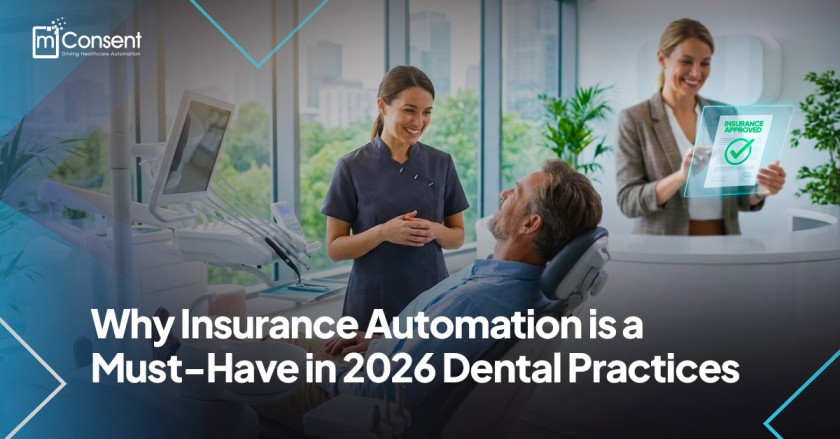
When you implement automated insurance eligibility checks, Sarah doesn’t have to spend twenty minutes on the phone. In the time it takes her to greet the patient, the system has already run a real-time verification. It knows the deductible status, the annual max, and the frequency limits for that fluoride treatment. It spits out a structured, digital summary.
This shift directly attacks the biggest profit-killer in a practice: claim denials. Most denials aren’t because the treatment wasn’t necessary; they’re because of administrative errors. Wrong code, missing frequency check, eligibility lapsed. By verifying upfront, you reduce dental claim denials before they ever happen. You catch the error when you can still fix it—before you lay a hand on the patient.
The Financial Health Connection
Let’s talk about money, because that’s really what we’re here for.
Manual insurance management is a leaky bucket. Every incorrect breakdown, every missed coverage opportunity, every claim that slips through the cracks because no one followed up—that’s a write-off. That’s revenue you earned but didn’t collect.
When you use dental insurance verification automation, you’re not just saving time. You’re ensuring you collect what you’re actually owed. You can generate an accurate patient estimate on the spot, deliver it digitally via SMS or email, and even get a signed acknowledgment. No more “I wasn’t told about this charge.” No more awkward conversations at the front desk while the patient digs through their purse for a credit card they didn’t plan to use.
I’ve seen practices drop their days in AR from 45+ down to under 30 just by automating the claims monitoring process. The system flags a claim that hasn’t been paid, alerts the team, and prompts a follow-up. It doesn’t forget. It doesn’t get buried under a pile of new patient paperwork.
The Hard Truth About Implementation
Look, I’m not going to sell you a fairy tale. Setting this up takes a few weeks of discipline. You have to audit your current denial rate. You have to train the team on the new digital intake forms. You have to get them comfortable trusting the software.
But here’s the secret the vendors don’t always tell you: the ROI is immediate on the morale front. The first time your front desk coordinator leaves at 5 p.m. instead of 6 p.m. because they didn’t have to spend two hours on insurance calls, they’re sold. The first time a patient says, “Wow, that was easy, thank you for sending that estimate ahead of time,” they’re bought in.
A Glimpse at the Other Side
What does a practice look like when the admin runs smoothly in the background?
It looks like a team that actually enjoys their jobs. The front desk isn’t a battleground; it’s a welcome center. The treatment coordinator has accurate financial data to present cases with confidence. The doctor isn’t stressed about whether the insurance check is going to cover payroll.
The production is better because the team isn’t distracted. The patients are happier because the financial conversations are transparent. You’re not just surviving the complexity of 2026; you’re running a practice that’s built to last.
Insurance complexity isn’t going away. Staffing isn’t getting easier. The only question is whether you’ll keep patching the old system, or whether you’ll finally give your team the tools they need to do their jobs without the burnout.
“