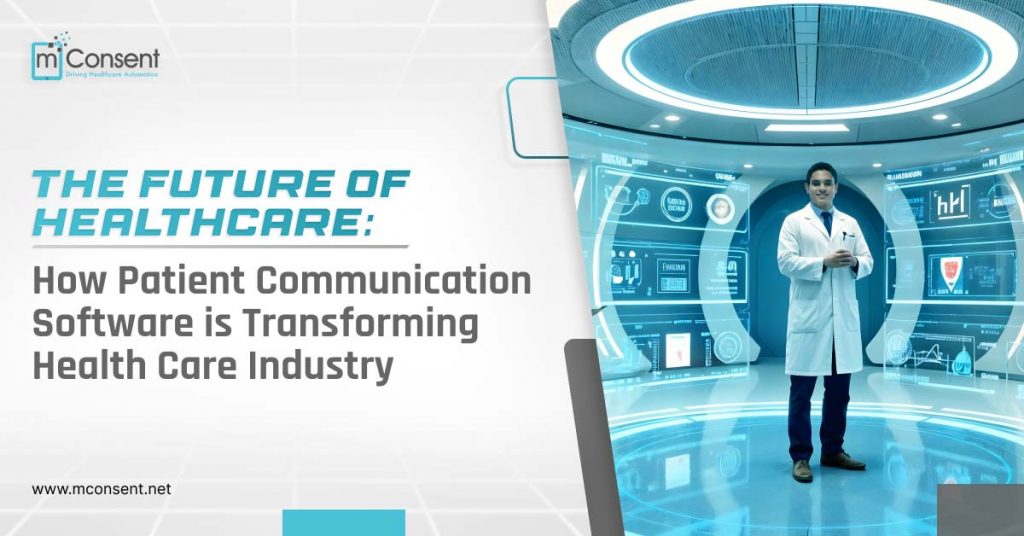




Technological evolution has rewired the way healthcare providers and patients connect with new dynamic patient communication software. This high-tech offering is revolutionizing the world of patient-provider communication – efficient, seamless, highly personalized, and completely unburdened.
Since patients’ needs are exponentially rising, these software solutions are steadily gaining their position as a crucial backbone in the structure of modern healthcare.
In this blog, we’ll uncover how patient communication software is reshaping the healthcare landscape, its groundbreaking impact, the challenges faced during adoption, and the exciting trends that redefine patient engagement for the future.
The Evolution of Healthcare Communication
Traditional Methods of Communication:
Healthcare has always relied on calls, letters, and in-person visits for patient communications. Although this worked then, it also had some greatly significant limitations:
- Long Wait: Scheduling or getting information might take days or weeks.
- Risk of Miscommunication: Important messages may get lost or lost in translation.
- Limited Access: Patients who reside in remote areas or are physically handicapped have limited access to care.
The Journey to Digital Transformation
The adoption of the patient communication software represented a significant change that addressed the aforementioned gaps in the following ways:
- Efficiency: It automated reminders and follow-ups for appointments.
- Accessibility: It introduced online portals and mobile apps.
- Patient-Friendliness: It enabled patients to control their health transparently and effortlessly.
What is Patient Communication Software?

Definition and Purpose
Patient communication software connects health providers with patients. It is a central hub for managing;
- Schedule and confirm.
- end messages and give updates about health.
- Automate reminders and educational tools.
Key Features
- Online Appointment scheduling;
- Secure two-way messaging
- Automated reminders help reduce missed appointments.
- Provide resources to patients, such as educational videos, articles, and FAQs in the form of patient education tools
- EHR: Ensure smooth access to any records.
How Patient Communication Software is Transforming Healthcare
Improves Patient Engagement
- Health Trackers: Let patients monitor their vitals and update them.
- Personalized messages: Provide them with health tips and reminders.
- Online Portals: Give easy access to health records and billing.
Streamlining Administrative Processes
- Automates scheduling, billing, and follow-ups. It saves time and reduces errors.
- Gives providers more time for patient care.
Improving Accessibility
- Telehealth integration and multi-language support make care more inclusive.
- Mobile access makes sure patients stay connected anywhere, anytime.
Enabling Data-Driven Decisions
- Collects and analyzes patient information for customized treatment plans.
- Uses Predictive Analytics for Early Intervention and Population Health Management
Reduction of No-Shows and Improvement in Practice Efficiency
- Automated reminders and scheduling reduce no-shows due to missed appointments.
- Use of resource optimization for better overall operational efficiency.
Improving Patients-Provider Relationship
- Comprehensive, transparent communication provides trust and enhances relationships.
- Emerging Trends in Patient Communication Software
AI-Powered Chatbots
- It offers 24/7 support, answering frequently asked questions and triaging all concerns.
- This can be used to forward complex concerns to human staff efficiently.
Telehealth Integration
- It supports virtual consultations and telemonitoring.
- This improves access to underserved areas.
Wearable Device Integration
- It transmits real-time health data to providers.
- This ensures proactive and preventive care.
Personalization with Machine Learning
- It adjusts communication based on patient history and preferences.
- This improves adherence to the care plan with targeted recommendations.
Secure Messaging and Compliance
- Guarantees protection for patient data through HIPAA-compliant platforms.
Voice Technology and Smart Assistants
- Use of voice-activated reminders and updates tools.
Patient Feedback Mechanisms
- Real-time surveys to gather insights for ongoing improvement.
Integration of SDOH
- It focuses on non-medical factors, including housing and transportation issues.
The Benefits of Patient Communication Software
For Patients
- More control over the healthcare journey.
- Better access to timely information and personalized resources.
- Streamlined interactions for improved satisfaction.
For Providers
- Reduced administrative burden.
- Improved patient retention and loyalty.
- Increased operational efficiency and profitability.
For the Health Care System
- Efficient use of resources.
- Preventive population health with healthier outcomes.
- Reduced cost by fewer readmissions and ED visits.
Challenges in Implementing Patient Communication Software
Risks Related to Data Security and Privacy
- Remaining compliant with regulations such as HIPAA and GDPR.
- Cybersecurity investment in robust technology systems.
Resistance to Change
- Change resistance among providers and their patients in adopting new technologies.
Cost and Resource-Based Limitations
- Overcoming barriers to implementation related to money and logistics.
Interface with Legacy Systems
- Making compatible integration possible with the EHRs and existing practice management applications.
How Providers Can Leverage Communication Software Effectively
Begin with Clear Goals
- Identify specific challenges to be met by the software.
Use Scalable Solutions
- The solution should grow with your practice needs.
Invest in Training
- Both staff and patients should feel comfortable using the system.
Monitor and Improve Performance
- Regularly track the impact of the software and gather feedback for adjustments.
The Future of Healthcare Communication

Preventive and Predictive Care
- For early detection and intervention, Use AI and big data analytics
Integrated Healthcare Ecosystems
- All-in-one systems combining communication, wearable data, telehealth, and EHR systems.
Universal Accesibility
- Technological improvements towards global quality healthcare delivery.
Emphasis on Mental Health and Wellness
- Tools providing resources and support for holistic well-being.
Conclusion
Patient communication software transforms the healthcare industry with higher engagement and better patient and provider outcomes.
Healthcare providers must integrate innovative technologies to stay on top of this transformation. A patient-centered approach means that, in addition to making processes more efficient, they also lay the ground for sustainable improvements in patient outcomes and shape the future of healthcare for generations.
“
“