



We live in a world where nearly everything can be done on a phone from ordering groceries to checking in for a flight. So, it’s not surprising that patients now expect the same ease and convenience when dealing with their dental care. The old way of doing things filling out paper forms, waiting in line to check in, or calling during office hours is quickly becoming outdated.
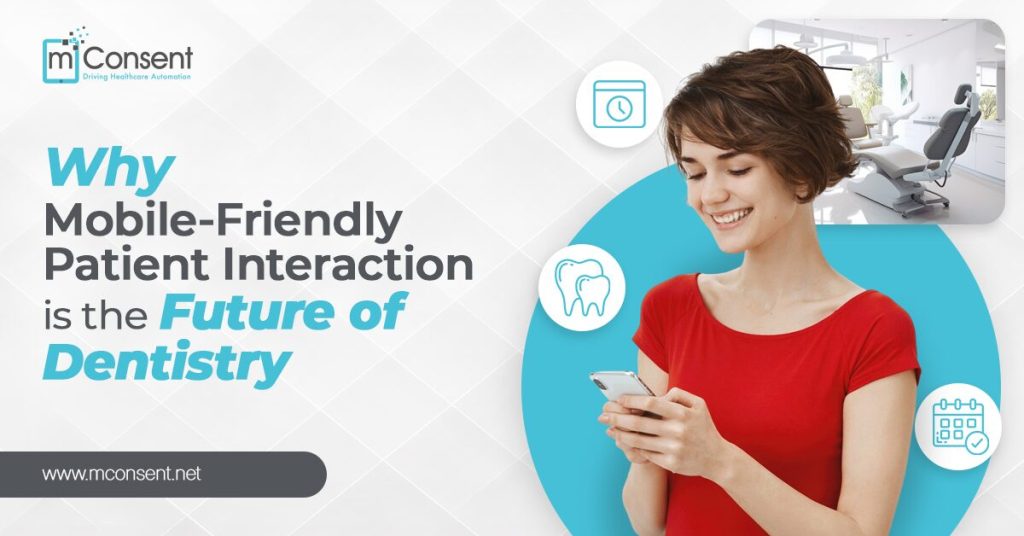
In dentistry, this shift toward mobile-friendly interaction is more than a passing trend. It’s a response to what patients want. And what they want is simple: less hassle, quicker communication, and access to their care from wherever they are.
Dental practices that adapt to this change are not only keeping up they’re getting ahead. And this is exactly where a platform like mConsent comes into play. It’s helping practices modernize, simplify, and strengthen the way they connect with patients.
In this article, we’ll explore how mobile interaction is reshaping the dental experience, what it looks like in real-world practice, and how your office can take advantage of it.
A Look at How Patient Expectations Have Changed
From Clipboard Chaos to Convenience
Think back just a few years. A typical dental visit started with patients arriving 10–15 minutes early, just to fill out forms. Phones were ringing non-stop, staff were juggling insurance paperwork, and reminders were limited to one phone call the day before.
Today’s patients expect something different. They’re used to apps and online portals. They want to fill out their forms ahead of time, check in digitally, and get a reminder via text. In short, they want the dental office experience to fit into their lives not the other way around.
Younger Generations Are Setting the Pace
Millennials and Gen Z have grown up using smartphones for everything. Whether it’s booking a ride or ordering dinner, these generations rely on their phones. And as more of them become the primary decision-makers for their households, they’re shaping what’s expected from healthcare providers, too.
They’re not calling your office, they’re Googling you. They’re not waiting to be reminded, they’re expecting real-time texts. If your practice isn’t meeting them on their phones, chances are they’ll find one that does.
Why This Matters for Your Practice
Let’s consider two practices on the same block. One offers mobile forms, online scheduling, and two-way texting. The other sticks to phone calls, clipboards, and long wait times. Who do you think is attracting more patients?
Being mobile-friendly isn’t just about looking modern. It gives your practice a real, measurable edge. More convenience means more bookings. Better communication means fewer no-shows. And smoother experiences lead to happier, more loyal patients.
What Does It Really Mean to Be Mobile-Friendly?
A mobile-friendly dental practice doesn’t just have a website that loads well on a phone. It means your patients can complete every major interaction, scheduling, check-in, payment, communication using their mobile device, whenever it’s convenient for them.
What That Includes
- Forms patients can fill out on their phone before their visit.
- Secure two-way texting for appointment reminders and updates.
- Easy online scheduling without needing to call.
- Virtual consultations when appropriate.
- Mobile payments and on-the-spot insurance verification.
Each of these tools takes stress off your staff and gives patients more control. It’s a win-win.
More Than Just a Mobile Website
Many practices stop at a responsive website. But that’s only part of the equation. A true mobile-first approach connects all parts of the patient journey. Tools like mConsent integrate mobile forms, reminders, check-ins, and more directly into your current systems, creating a seamless experience.
Why Mobile Tools Make Life Easier for Everyone
Less Time Spent on the Phone
Phone lines get tied up fast in busy offices. Patients call to confirm appointments, ask about forms, or check if their insurance is accepted. With mobile tools, many of these questions are handled automatically.
Using mConsent, patient information goes straight from digital forms into your software. No more copying answers from paper into your system. That saves your team time and keeps errors to a minimum.
Patients Appreciate the Convenience
Nobody wants to dig through emails or listen to voicemail messages just to confirm an appointment. A quick text that they can reply to makes things easier. And when patients can fill out forms at home, they come in less rushed and more prepared.
You’ll see fewer no-shows and more on-time arrivals. Not to mention, patients who feel respected and cared for are much more likely to return and refer others.
Accuracy and Peace of Mind
Digital forms don’t just save time. They also make it easier to collect accurate information. There’s less room for error when patients enter their own data on a guided form.
With mConsent, you also get the benefit of HIPAA-compliant communication. So, you can stay in touch without worrying about privacy breaches or regulations being overlooked.
Getting Paid Faster
Another advantage? Mobile tools streamline billing. Patients can pay through their phones before or after the appointment. Insurance can be verified in seconds. That reduces billing questions, follow-up calls, and delays in getting paid.
Reaching More People
Mobile-friendly systems help you serve a wider group of patients. Think of those with disabilities, language barriers, or tech hesitations. mConsent offers language options and accessibility features that make it easier for everyone to get the care they need.
Why mConsent Stands Out in the Crowd
mConsent is built specifically for dental practices. That means it’s not just a generic platform with a dental label slapped on it. The tools are made to fit real workflows that dental offices use daily.
From digital forms and two-way texting to online scheduling and AI-powered reminders, mConsent brings everything together in one system. And because it works with most EHR and practice management software, you won’t need to overhaul your setup.
The company also provides training and support, so you and your team can hit the ground running.
Real-World Impact
One practice that adopted mConsent saw a 30% drop in no-shows within just a few months. Patients appreciated the flexibility. Staff felt less stressed. And the practice was able to take on more new patients without hiring more people. That’s the kind of change mobile tools can bring.
A Glimpse at the Future of Mobile Dental Care
Teledentistry is becoming more common, especially for follow-ups and consultations that don’t require hands-on care. Mobile diagnostics and AI are advancing fast, and patients will soon expect to do more from home like submitting images or asking questions through secure messaging.
mConsent is preparing for that future. Their upcoming tools are designed to support remote care, improve patient education, and help practices deliver more value with less friction.
How to Start the Transition
Thinking about going mobile can feel overwhelming, but it doesn’t have to be. Start small, focus on high-impact areas, and grow from there.
- Review your current tools. What’s mobile-friendly, and what’s not?
- Prioritize key features. Begin with online forms, appointment texts, and scheduling.
- Train your team. Make sure staff are comfortable with the changes.
- Let patients know. Send a message, post on social, and add signage in your office.
- Use the right partner. mConsent makes the process smoother with ready-to-use tools and onboarding help.
Final Thoughts
We’re no longer talking about the future it’s here. Patients are using their phones for nearly everything, and they expect their healthcare to keep up. Dentists who embrace mobile-friendly tools will stay relevant, efficient, and more connected with their patients.
If you’re looking for a system that understands dental workflows and patient expectations, mConsent is worth a closer look.
Want to see how it works?
Request a Free Demo from mConsent today and take the first step toward a more modern, efficient practice.
“
“