


In today’s world of dentistry, all the necessary medical tools, devices, and even patient communication software have been designed to ensure the efficiency of patient care, patient satisfaction, and practice expansion. But like any other technology, it poses challenges that need to be addressed to get the most out of these solutions.
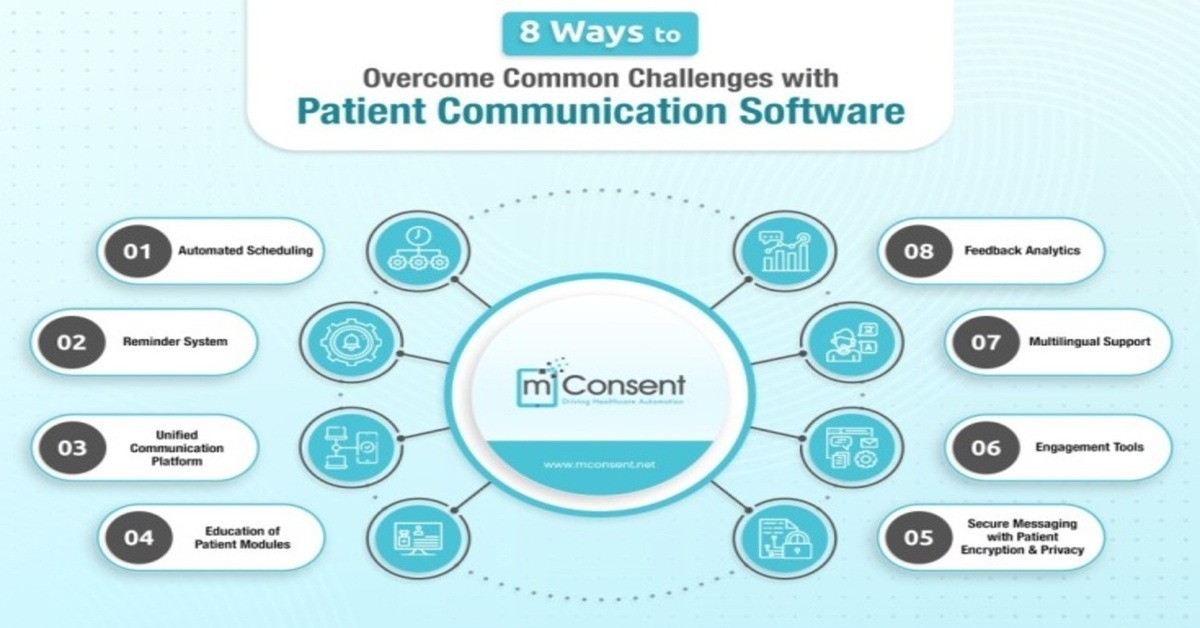
Here are eight ways to address the common challenges concerning patient communication software for optimizing your practice.
1. Automated Scheduling
Automating some scheduling activities can reduce the time and number of personnel visits required to make appointments. This helps eliminate brushed appointments, improve the sequence of appointments, and reduce the time needed by the staff for other important activities.2. Reminder System
Reduce no-shows and late arrivals for appointments by incorporating an automatic reminder system. Text messages, emails, or alerts can be sent to the patient before the appointment, reminding him or her of the appointment.3. Unified Communication Platform
Eliminate the need for several modes of communication by incorporating all – emails, calls, and texts into one system. This method increases the employees’ productivity and effectiveness because patients do not suffer from inconsistent communication and delays in response.4. Education of Patient Modules
Provide educational materials and healthcare information to your patients. Well-informed individuals will be more likely to adhere to the treatment provided and actively look after their oral health.5. Secure Messaging with Patient Encryption and Privacy
Build more confidence with your patients through the encryption of messages and adherence to regulatory requirements on the privacy of patient’s messages. Secure messaging enhances patient confidentiality and eliminates the fear of security breaches.6. Engagement Tools
Use engagement tools such as patient surveys, health trackers, and customized messages to promote patient involvement in their care. These tools help patients adhere to treatment regimens and regularly check their health status.7. Multilingual Support
Encourage effective communication and understanding by subsequent language integration in the communication software. Using multiple languages helps engage and involve the patients better, especially in community settings with varied ethnicities.8. Feedback Analytics
Implement processes for the collection and use of clinical feedback from patients. Feedback analytics help prevent service stagnation by making it easy to pinpoint areas needing improvement in patient satisfaction and care quality. Backed by the appropriate approaches and technology, such as mConsent, patient communication in dental offices can be taken to another level of interaction. From simple appointment bookings to thorough patient education and follow-up, these eight strategies ensure that your practice provides the highest-quality patient care. Incorporating these measures addresses the communication issues and also builds a better-organized and productive dental practice.