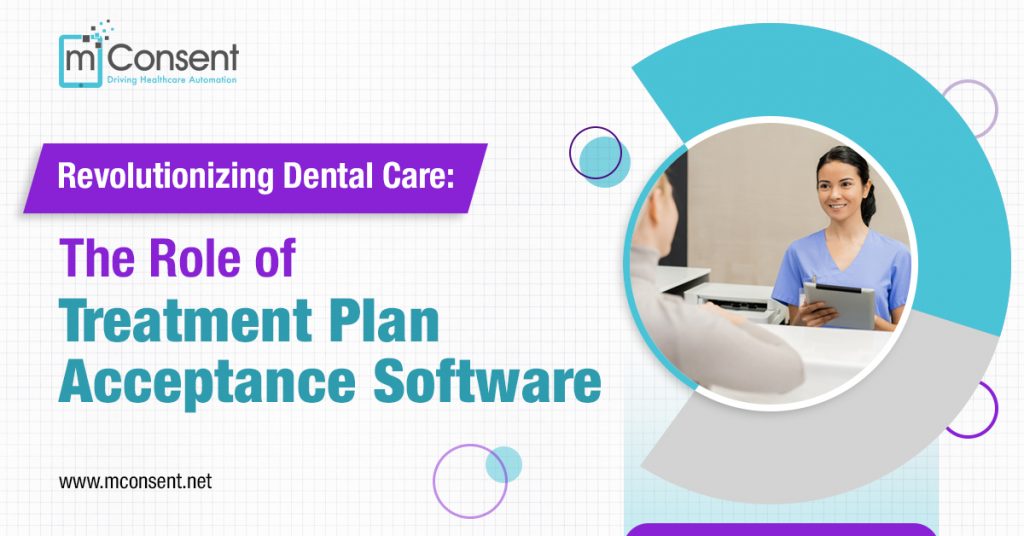



Within the dynamic field of dentistry, technology takes center stage, offering transformative solutions to streamline processes and enhance patient experiences.
One such groundbreaking innovation is Treatment Plan Acceptance Software, revolutionizing how dental practices communicate and collaborate with patients.
Let’s examine how important a function this software will have in determining dental care in the future.
 Transparent communication is the cornerstone of successful patient-dentist relationships. This software enables dental practitioners to communicate treatment plans clearly, breaking down complex procedures into digestible information.
Patients are empowered with knowledge, eliminating uncertainties and building trust.
Transparent communication is the cornerstone of successful patient-dentist relationships. This software enables dental practitioners to communicate treatment plans clearly, breaking down complex procedures into digestible information.
Patients are empowered with knowledge, eliminating uncertainties and building trust.
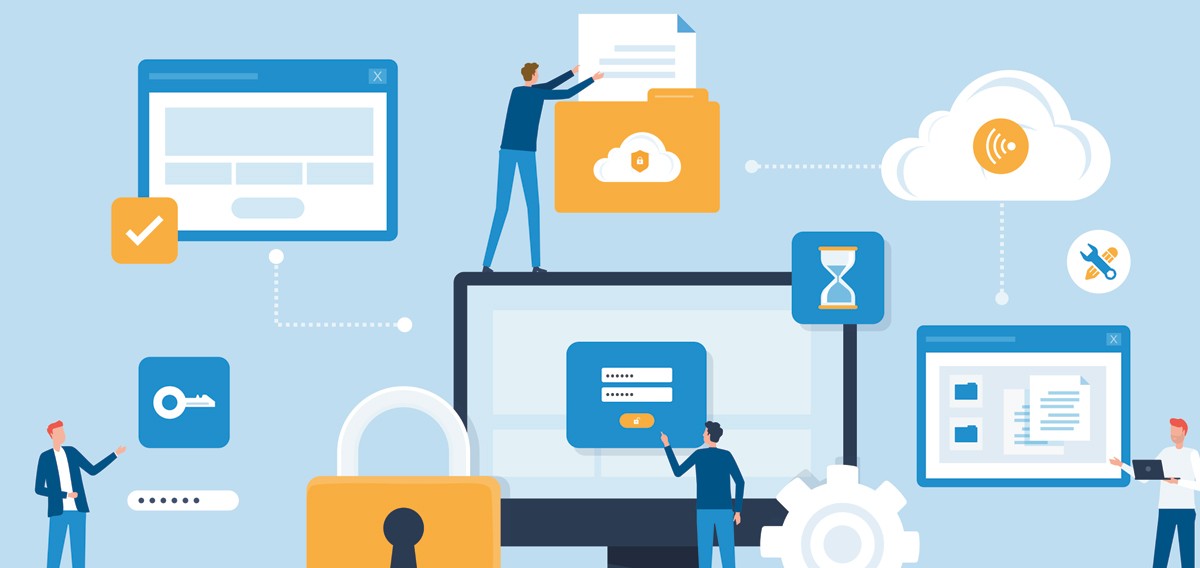 Beyond patient encounters, this program simplifies treatment-related paperwork, follow-ups, and clearances by streamlining administrative procedures. Automation reduces the administrative burden, allowing dental teams to focus on delivering quality care.
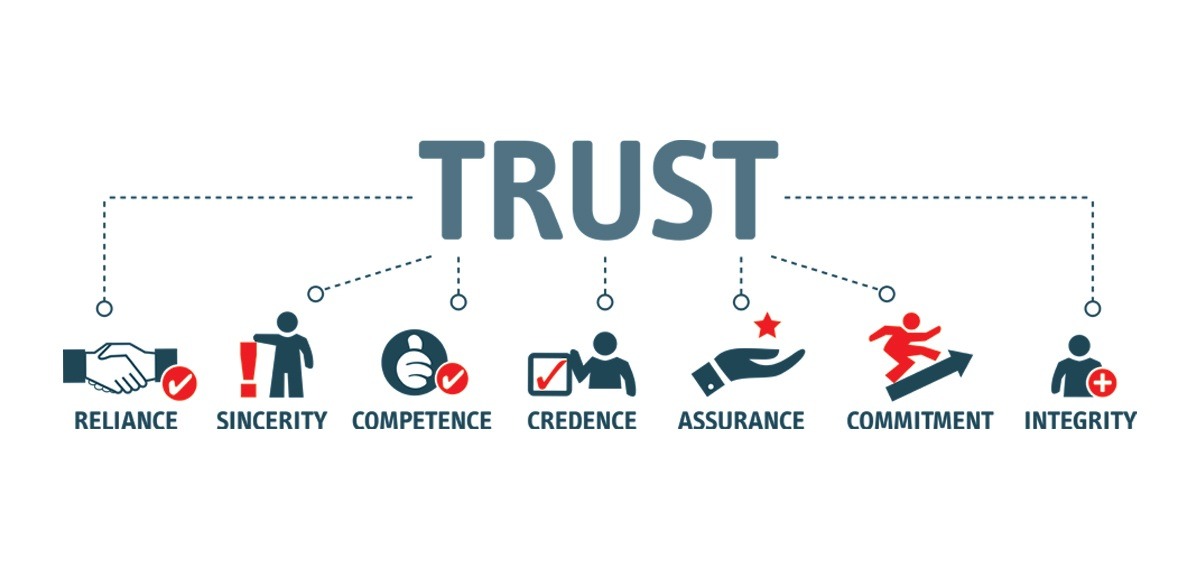 In the era of empowered healthcare consumers, building and maintaining trust is paramount. Treatment Plan Acceptance Software fosters trust by offering a transparent, patient-centric approach.
This trust not only improves patient satisfaction but also encourages long-term relationships.
In the era of empowered healthcare consumers, building and maintaining trust is paramount. Treatment Plan Acceptance Software fosters trust by offering a transparent, patient-centric approach.
This trust not only improves patient satisfaction but also encourages long-term relationships.
 Treatment Plan Acceptance Software is a smart move for dentist offices to make now that technology is changing the future of health care all the time.
It not only meets the needs of today’s patients, but it also gets practices ready to do well in a world that is becoming more and more computerized.
Treatment Plan Acceptance Software is a smart move for dentist offices to make now that technology is changing the future of health care all the time.
It not only meets the needs of today’s patients, but it also gets practices ready to do well in a world that is becoming more and more computerized.
1. Enhancing Patient Engagement:
Treatment Plan Acceptance Software serves as a bridge between dental professionals and patients, facilitating clear and engaging communication. Patients are able to fully comprehend suggested therapies because of interactive presentations and visual aids, which promotes well-informed decision-making.2. Transparent Communication
Transparent communication is the cornerstone of successful patient-dentist relationships. This software enables dental practitioners to communicate treatment plans clearly, breaking down complex procedures into digestible information.
Patients are empowered with knowledge, eliminating uncertainties and building trust.
3. Personalized Treatment Discussions
Every patient is unique, and their treatment plans should reflect that. Treatment Plan Acceptance Software allows for personalized discussions, tailoring presentations to individual patient needs, preferences, and understanding levels. This personalized approach contributes to higher acceptance rates4. Streamlining Administrative Processes
Beyond patient encounters, this program simplifies treatment-related paperwork, follow-ups, and clearances by streamlining administrative procedures. Automation reduces the administrative burden, allowing dental teams to focus on delivering quality care.
5. Real-Time Collaboration
Treatment Plan Acceptance Software facilitates real-time collaboration between dental teams, specialists, and patients. The ability to share information instantly ensures that everyone involved is on the same page, leading to more coordinated and efficient care.6. Increasing Treatment Plan Acceptance Rates
By providing a visual and interactive overview of proposed treatments, this software significantly increases treatment plan acceptance rates. Patients are more likely to commit to recommended procedures when they have a clear understanding of the benefits and potential outcomes.7. Improving Case Acceptance
Case acceptance is a critical metric for dental practices. Treatment Plan Acceptance Software aids in presenting cases in an appealing and persuasive manner. The visual representation of treatment options contributes to higher case acceptance, positively impacting practice revenue8. Strengthening Patient Trust
In the era of empowered healthcare consumers, building and maintaining trust is paramount. Treatment Plan Acceptance Software fosters trust by offering a transparent, patient-centric approach.
This trust not only improves patient satisfaction but also encourages long-term relationships.
9. Adapting to Digital Trends
As the dental industry embraces digital transformation, Treatment Plan Acceptance Software aligns with contemporary trends. Patients, accustomed to digital interactions, appreciate the convenience and accessibility of reviewing and accepting treatment plans online.10. Future-Proofing Dental Practices
Treatment Plan Acceptance Software is a smart move for dentist offices to make now that technology is changing the future of health care all the time.
It not only meets the needs of today’s patients, but it also gets practices ready to do well in a world that is becoming more and more computerized.