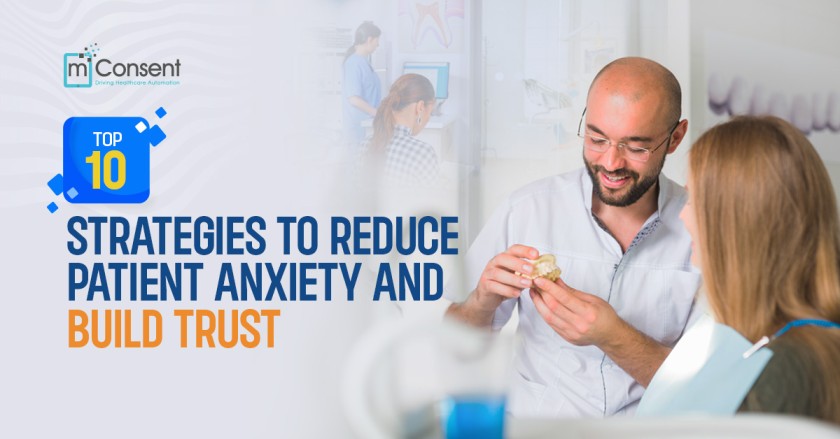




Let’s talk about what really happens in that quiet moment after you present a treatment plan. The patient nods, but their eyes are uncertain. They don’t say “no”, they say, “Let me think about it.” We’ve all been there.
The truth is, dental anxiety isn’t just about the sound of the drill. It’s deeper. It’s the fear of the unknown, the confusing paperwork, the unclear costs, the feeling of signing something they don’t fully understand. When a patient feels lost in their own care, trust evaporates. And without trust, even the most clinically necessary treatment gets postponed.
What if the very process that often creates this anxiety, the consent and financial discussion could become your most powerful tool for building calm, confidence, and connection?
What’s Really Going On in the Chair
Think about it from their side for a moment. They’re lying back, vulnerable. There’s a natural power imbalance. They’re worried about pain, about cost, about making a permanent decision they might regret. It’s an emotionally charged setting.
Now hand them a dense, legalistic consent form and ask them to sign while they’re already feeling this way. It’s no wonder they freeze. That form isn’t just a document, to them, it can feel like a gatekeeper to something scary and unknown. Rushing through it chairside sends a subtle message: This is a hurdle, not a conversation.
Real trust isn’t built when you pick up the handpiece. It’s built in the days and moments before, starting with how clearly, kindly, and transparently you guide them.
10 Ways to Turn Anxiety into Assurance
Strategy 1: Give Them the Gift of Time.
The Old Way: Presenting the consent form for the first time when they’re already in the chair, gloves on, schedule ticking.
Why It Fails: It feels like pressure. Anxious minds can’t process complex information under duress.
The Better Path: Send consent information digitally before the appointment with mConsent. Let them review it at their kitchen table, with a cup of tea, with time to think and write down questions. When they arrive, they’re not being informed, they’re confirming. That shift changes everything.
Strategy 2: Speak Human, Not “Dentist.”
The Old Way: Paragraphs of medical and legal jargon that protect the practice but confuse the person.
Why It Fails: If they don’t understand it, they fear it. Exclusion breeds anxiety.
The Better Path: Use clear, plain language. Pair text with simple visuals or diagrams. Explain a crown like you’re talking to a friend, not a textbook. When patients understand, they stop being afraid of what’s on the other side of “agree.”
Strategy 3: Have Two Separate, Honest Conversations.
The Old Way: Burying the financial details in the middle of the treatment consent.
Why It Fails: It creates a fog of uncertainty. “What is this going to actually cost me?” is a screaming question in their mind that drowns out everything else.
The Better Path: Separate the clinical consent (“This is what we’re doing and why”) from the financial consent (“This is what it costs and what you’ll owe”). Present both with equal clarity. Transparency about money is a profound act of respect.
Strategy 4: Let Them Ask Questions on Their Own Terms.
The Old Way: The only chance to ask is in the operatory, which can feel intimidating.
Why It Fails: They don’t want to “waste your time” or look foolish, so they stay silent and stay anxious.
The Better Path: With digital pre-visit materials, give them a way to submit questions privately beforehand. This lets you address their real concerns head-on during the consult, making the conversation deeper and more meaningful.
Strategy 5: Be Consistently Clear, Every Single Time.
The Old Way: Different team members explaining the same procedure in slightly different ways, with varying levels of detail.
Why It Fails: Inconsistency feels unprofessional and breeds doubt. “Why did I hear something different last time?”
The Better Path: Use standardized, procedure-specific templates. Every patient gets the same clear, thorough explanation. This isn’t about being robotic; it’s about being reliably excellent. Trust loves consistency.
Strategy 6: Keep Talking. It’s a Journey, Not a Signature.
The Old Way: Treating consent as a one-time signature on a piece of paper that goes in a drawer.
Why It Fails: Treatment plans evolve. When things change and the old paper is forgotten, the patient feels left out of the loop.
The Better Path: Use digital consent as a living record. If the plan changes, update the consent together, digitally. Show them the revision history. This ongoing dialogue makes them a true partner in their care.
Strategy 7: Create a Private Space for Sensitive Talks.
The Old Way: Discussing costs and consent at the front desk, with other patients within earshot.
Why It Fails: It’s embarrassing. Financial discussions are deeply personal. Public conversations make patients feel exposed and rushed.
The Better Path: Let the foundational explanations happen privately, via their own device. This reserves in-person time for personal connection, not reading legal text aloud in a busy office.
Strategy 8: Give Them a Receipt for Their Peace of Mind.
The Old Way: Signing a paper form that they never see again, wondering, “What exactly did I agree to?”
Why It Fails: The mystery lingers, creating post-appointment doubt.
The Better Path: Instantly provide a digital copy of their signed consents. Let them access it anytime via a patient portal or email. Knowing they can revisit the details whenever they want erases lingering “what ifs.”
Strategy 9: Show Them You’re a Safe Keeper of Their Information.
The Old Way: Paper charts in rooms or filing cabinets, visible to anyone walking by.
Why It Fails: It subtly undermines confidence in your professionalism and their privacy.
The Better Path: Use a secure, compliant digital system. You can even briefly explain, “Your information is stored securely in our encrypted digital system.” This visible commitment to security tells them their whole person, not just their teeth, is in good hands.
Strategy 10: Connect the Dots for a Seamless Journey.
The Old Way: Consent, treatment, and payment feel like three separate, confusing hurdles.
Why It Fails: Patients get mentally fatigued. “What’s the next confusing step?” becomes a background stressor.
The Better Path: Weave consent, treatment plans, and financial agreements into one coherent, digital journey. Show them a clear path: “First we agree on the plan, then we schedule, then here are your payment options.” Clarity is calming.
Why This Changes Everything
When you implement these strategies, something beautiful happens. The “Let me think about it” turns into “Let’s get started.” Case acceptance rises not because you’ve become a better salesperson, but because you’ve become a better communicator. Disputes vanish because expectations are crystal clear from day one. Patients leave Google reviews that say, “They made everything so easy to understand,” and they refer their family because they felt truly cared for, not just treated.
This is the future of patient relationships. It’s not high-tech; it’s high-trust. It’s using tools like mConsent not just to get a legal signature, but to extend a hand and say, “Let’s walk through this together. I’ll make sure you see every step.”
Because confident patients don’t just accept treatment. They become partners in their health, and champions for your practice. And it all starts by replacing confusion with clarity, and fear with trust.
“