

Dental and orthodontic offices have to deal with a lot more problems than they used to. The main goal remains to provide patients with the best clinical care possible, but practices are also dealing with rising costs, lower insurance reimbursements, staffing shortages, and patients who are more informed and want convenience, clarity, and flexibility at every point of contact.
One of the most difficult aspects of practice is getting paid for dental work. Payment issues are now more than just late bills or unpaid balances. They directly affect whether a case is accepted, how much patients trust the staff, how much work the staff has to do, and how much the practice can grow over time. Payment processes that are unclear, strict, or out of date can cause problems even before treatment begins.
Smart dental and orthodontic offices are fixing this by making payment processing faster, clearer, and more automated. Here are the ten best ways that dental and orthodontic offices are dealing with payment problems, speeding things up, and making the financial experience better for patients during their care.
1. Payment Plans that are Flexible for Rising Treatment Costs
Dental and orthodontic care can be very expensive, especially since insurance is getting worse. Because of high deductibles, annual maximums, and exclusions, practices are responsible for showing that they can handle their money.
How practices are fixing this:
Practices are replacing large upfront payments with monthly installments, improving case acceptance while maintaining steady cash flow.
2. Replacing Full Upfront Payments with Digital Plans
When patients are required to pay everything upfront, treatments like braces, cosmetic procedures, or multi-visit care can become difficult to afford. Simultaneously, this approach adds additional workload for staff, requiring them to manually track payments and manage uncomfortable follow-ups.
How practices are solving this:
Dental and orthodontic practices are using digital payment plans to automate installments and collections, reducing missed payments and manual work while keeping payment expectations clear and consistent.
3. Moving from Delayed Billing to Same-Day or Real-Time Billing

Delayed billing separates payment from the care experience. Patients may forget details, question charges, or even put off paying when bills come weeks later.
How practices are solving this:
Modern practices are adopting same-day billing, processing or scheduling charges right after treatment to keep payments timely, reduce outstanding balances, and minimize follow-ups.
4. Making Costs and Insurance Easier to Understand
It's hard to understand dental bills. Businesses often have to deal with arguments, late payments, and strained relationships when estimates don't match actual coverage.
How practices are fixing this:
Practices use clear digital breakdowns to show what insurance covers and what is still owed. This sets clear expectations from the start and builds trust around payments.
5. Eliminating Surprise Charges Through Upfront Financial Agreements
Unexpected costs from treatment or insurance changes can quickly break trust, leaving patients frustrated and unlikely to return. Clear communication and financial transparency are essential for long-term loyalty.
How practices are solving this:
Dental offices use digital treatment and payment plans to clarify costs before treatment, ensuring approval upfront and reducing confusion.
6. Expanding Digital Payment Options
Restricting payment options can lead to unnecessary issues for both staff and patients. In a world where the majority of transactions take place online, outdated or constrained options can result in delays and longer payment times. Patients may delay receiving care simply because it seems difficult or unclear how to pay for it. Over time, this may have an impact on the practice's overall effectiveness, satisfaction, and cash flow.
How practices solve this:
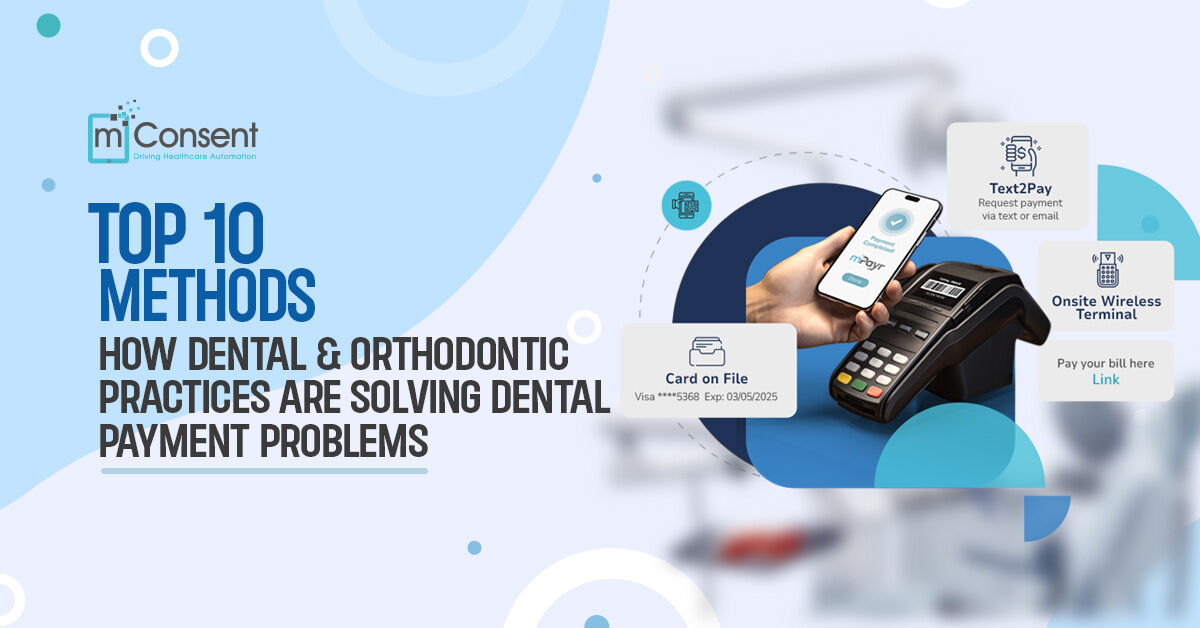
Practices offer secure digital payment options that let balances be paid anytime, anywhere, speeding up collections and reducing front-desk work.
7. Reducing Front-Desk Dependency with Self-Service Payments
Manual, in-office payment handling puts pressure on front-desk teams, increases wait times, and raises the risk of errors.
How practices are solving this:
Automated and self-service payment workflows allow payments to be completed before, during, or after visits without staff involvement. By reducing reliance on the front desk, practices improve operational flow and free staff to focus on patient service rather than transaction processing.
8. Giving Cost Estimates Before Treatment Decisions
Patients often delay or refuse treatment because they don't know how much it will cost. If the price is unclear or discussed too late in the process, patients may feel overwhelmed, distrustful, or unprepared to commit. This lack of transparency often means that practices receive fewer patients, take longer to make decisions, and lose money, even when patients really need the care.
How practices are dealing with this:
To solve this problem, progressive practices are using interactive digital treatment presentations before the patient arrives. These tools let teams show patients all of their treatment costs, how much insurance they might cover, and flexible monthly payment options all in one clear, visual way. When you set clear expectations from the start and answer patients' financial questions right away, they feel informed, confident, and in charge of their decisions. This means that there will be fewer surprises, more trust, and a better chance that patients will follow through with the treatment that was suggested.
9. Preventing Missed and Failed Payments with Automation

Missed payments disrupt cash flow and increase the workload for staff. Chasing payments is a waste of time and makes you feel awful.
How practices are solving this:
People can pay on time with automated recurring payments, reminders, and secure card-on-file systems. When payments are made automatically and patients are told about them ahead of time, things are more stable, and there are a lot fewer manual follow-ups.
10. Making Financial Conversations Less Stressful Through Digital Workflows
In a clinical setting, talking about money can make both staff and patients feel uneasy. This discomfort often leads to unanswered questions and problems that aren't being dealt with.
How are practices addressing this issue?
Digital, self-guided payment workflows let you look at and approve financial information online without anyone else seeing it. This makes face-to-face conversations less stressful, which makes them calmer and more respectful while still being clear and accountable.
Conclusion
Dental payment problems usually have underlying causes. They are linked to trust, daily operations, team morale, and long-term development. Confusing or outdated payment systems slow things down and make everyone anxious. As expectations continue to shift, dental and orthodontic practices can no longer depend on manual, reactive payment processes. They need transparent, flexible, and automated systems.
This is where mConsent comes in. It is useful because it shows costs up front, allows online treatment approval, and offers flexible payment options that fit real budgets. Behind the scenes, mPayr integrates with a practice's existing systems to minimize manual staff labor, automate collections, and reduce cash handling.
Everyone benefits when dental care is easy to pay for and transparent. Patients don't need to be confused or anxious to proceed with their treatment. Practices receive consistent, predictable income, and employees spend more time providing care rather than pursuing payments. Modern payment workflows are not only beneficial in today's dental environment but also necessary for long-term growth and comfort.
FAQ
1. Why do dental and orthodontic practices face payment problems?
Because of high treatment costs, insurance confusion, and limited payment options, many patients delay or miss payments.
2. How are dental practices improving payment collections?
By using digital payments, automated reminders, and collecting payments upfront or chairside.
3. What payment options do patients prefer today?
Online payments, mobile wallets, cards, and flexible monthly payment plans.
4. How do payment plans help orthodontic practices?
They spread treatment costs into manageable monthly payments and reduce missed or late payments.
5. How does clear pricing reduce billing disputes?
When patients understand costs before treatment, confusion decreases and payments happen faster.
""![HIPAA Release Form – All you Need to Know [Instant Download]](https://mconsent.net/wp-content/uploads/2021/09/HIPAA-Release-Form-All-you-Need-to-Know-Free-Release-Form.jpg)