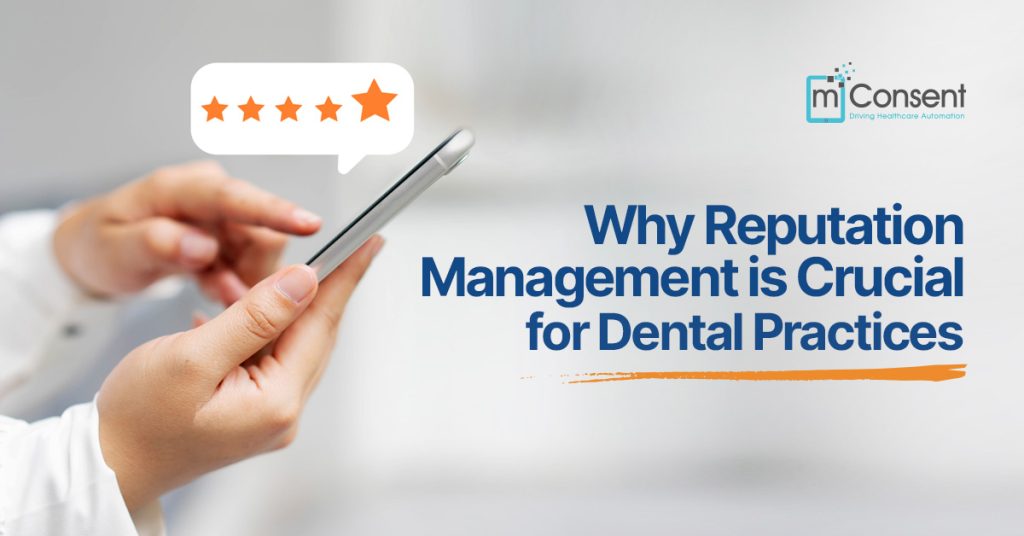




Online reviews often influence the choice of a dentist, just as they do for many other services. More and more, digital trust signals rather than patient referrals or word-of-mouth are driving the reputation of your dental business. This might include reviews on the internet, comments on social media, and even the user experience on your website. Your online presence might positively or negatively impact public perception of your practice.
This article will discuss the risks of having a negative online reputation, the benefits of maintaining a favorable image, and how modern technology may help draw in and retain patients.
The Digital First Impression – Why It Matters
In today’s digital world, more than 85% of patients read online reviews before choosing a dentist. Your online reputation is the first thing they’ll encounter before setting foot in your office, which makes it a vital part of your practice’s success. A quick Google search or a look at popular review platforms like Yelp or Healthgrades can be all it takes for a patient to decide if your practice is worth considering.
A prospective patient may get their first impression of your dental business from these internet reviews and ratings. The information consumers get in search results greatly affects how they make decisions, whether they are searching for general information about your organization or trying to learn more about patient experiences.
According to research from companies like BrightLocal, more than 79% of customers trust online evaluations as much as they trust personal recommendations. Your reputation may be a barrier to dental offices as well as a powerful marketing asset. Customers who see unresolved issues or negative reviews could be motivated to search for another supplier. Conversely, many favorable evaluations might swiftly increase trust and confidence.
Common Risks to the Reputation of a Dental Practice
Reputational risks may result from various circumstances, many of which are preventable. If small operational flaws in the administration of your dental clinic are not swiftly and effectively fixed, negative evaluations may quickly mount.
Here are some common threats that can undermine your online reputation:
- Delayed Responses: Patients value prompt communication. Slow responses to inquiries, whether sent via email, phone, or text, can cause patients to become frustrated and provide negative feedback.
- Missed Follow-Ups: Patients who perceive themselves as neglected may experience feelings of dissatisfaction as a result of a failure to address post-treatment concerns or provide treatment reminders.
- Billing Errors: In invoicing or insurance claims, errors frequently result in confusion and frustration. Patients may express dissatisfaction in evaluations when they believe their financial concerns are not considered seriously.
- Long Wait Times: Patient satisfaction is significantly influenced by the waiting room experience, which is characterized by extended wait times. If patients are consistently subjected to lengthy wait times without adequate communication or apologies, they may receive negative reviews.
Even though these problems may not seem like much, they might result in persistent complaints that harm your reputation. Proactively addressing them is essential to stopping unfavorable comments from spreading.
The Real Cost of a Poor Online Reputation
A bad reputation and unfavorable reviews may harm your practice and have financial repercussions. Potential clients may be less inclined to schedule an appointment if they encounter negative internet reviews or poor ratings.
- Lost Revenue = Lost Dental Patients: A dental office will probably draw fewer customers the more bad reviews it receives. Over time, the possible loss of even a small number of new patients might soon result in lost income.
- Patients often complain to Google rather than you: Many patients vent their frustrations online rather than to your staff directly. You may not know the problem until it appears in your internet ratings.
- Damaged Credibility Impacts Patient Retention and Referrals: A poor reputation affects new patient acquisition and can harm patient retention and referrals. Word of mouth may not be in your favor if patients share negative experiences, leading to a long-term decline in your patient base.
What Reputation Management Involves
Reputation management proactively establishes and maintains a favorable internet presence rather than only reacting to criticism. The following is an example of successful reputation management:
- Tracking Reviews: Monitor the websites where patients post reviews. By reviewing routinely, you may identify new problems and take swift action.
- Asking for Feedback: Making a conscious effort to get happy patients to write good evaluations helps counterbalance bad ones and guarantees that your reputation is always favorable.
- Taking a Professional Approach: It’s critical to react professionally and respectfully to good and bad critiques. By carefully addressing patients’ problems, you can show them you are interested in their experience.
- Resolving Recurring Issues: Use feedback to identify and resolve persistent problems in your practice. For instance, if many patients complain about lengthy wait times, it could be necessary to adjust personnel or the schedule.
Even when you receive occasional bad criticism, you can ensure that your practice is seen favorably by maintaining your internet reputation proactively and deliberately.
Automating the Process – Without Losing the Human Touch
Managing a dental office’s reputation may become overwhelming. Contemporary dental software programs like mConsent streamline this procedure by offering automated review requests.
By including automatic review requests into your practice’s workflow, you can encourage your patients to provide feedback after their consultations without adding more administrative work to your staff’s workload. For instance, patients may easily provide feedback by having mConsent automatically email review requests to them soon after checkout. This lets your patients talk about their experiences and keeps your practice at the forefront of their thoughts.
With these tools, you can collect valuable insights while maintaining a personal touch. The result is a reputation management system that works behind the scenes to keep your practice’s reputation intact.
Benefits of Strong Reputation Management
Strong reputation management offers numerous benefits, both for your patients and your practice:
- Increased Patient Trust & Acceptance of Treatment Plans: Patients are more likely to accept suggested treatment plans and have faith in your care when your practice has a good internet presence.
- Improved Staff Morale: If your reputation is well handled, your employees, especially those at the front desk, will feel less stressed. A more favorable work atmosphere is produced when patients are content and joyful.
- Enhanced Referrals & Local SEO Visibility: Good ratings make you more visible in local searches, which may expand your patient base and generate more referrals. Good reviews can also improve local SEO results, making it easier for prospective patients.
- Easy Practice Growth: Building a solid reputation is essential to growing your practice. Online trust increases the likelihood that potential patients will choose a clinic, and a strong reputation might draw in new employees or investors.
“
”
How to Build a Reputation Management Workflow
Establishing a dependable reputation management process guarantees that your practice always strives to preserve a favorable reputation. The following actions should be taken:
- Train Your Staff: Make sure your team members understand the value of requesting feedback after each visit. Getting a good review might be as simple as making a polite request.
- Create Automated Requests for Reviews: Use software solutions to automate asking your patients for feedback. This may guarantee consistent review gathering and save time.
- Regularly Check Platforms: Establish a weekly routine for reviewing and checking platforms to monitor your clinic’s reputation.
- Answer Carefully: Spend time creating customized answers for favorable and unfavorable remarks. Your patients will appreciate the attention to detail.
Implementing these procedures ensures that reputation management becomes an easy part of your practice’s routine. Solutions such as mConsent streamline this process by automating crucial procedures, allowing you to concentrate on delivering excellent service while maintaining a strong online presence.
Conclusion
Reputation management is crucial to your firm’s success, even if it feels like an added chore. If unregulated, even quiet discontent may grow viral online very rapidly. Patients are more likely to share negative experiences than favorable ones, and an unresolved review may escalate into a serious problem.
A proactive approach to reputation management is essential for your practice’s long-term success. With modern tools like mConsent, you can easily manage your reputation and stay on top of criticisms. Therefore, you have control over how you respond to patients, which may have a significant impact, even if you may not always be able to control what they say.
“
”