


Patient satisfaction is one of the most significant goals of the modern healthcare industry. From prognosis to a doctor’s reputation, and financial condition, it influences every aspect of healthcare. A new emergent tool, patient communication software has all the solutions for your healthcare needs such as providing channels of communication, improved engagement, provide timely access to care. Here, we explore eight ways, patient communication software can significantly elevate patient satisfaction
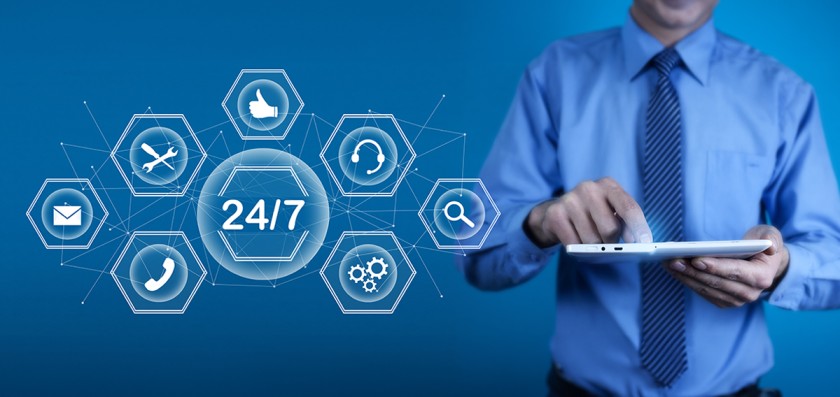 This efficient tool enables patients to have continuous access to their health information and allows them to interact with their health officers. This level of accessibility enables patients to:
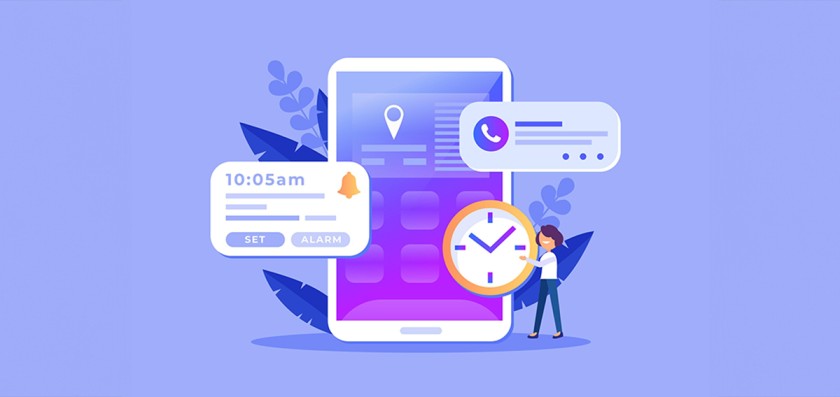 Automated reminders sent via SMS, email, or phone calls help patients remember their appointments, reducing the likelihood of missed visits. Timely reminders can also include pre-appointment instructions, ensuring patients are well-prepared and minimizing last-minute cancellations. This proactive communication enhances the patient experience by making healthcare more organized and efficient.
Personalized Health Messages
Customized health messages to individuals are another one of the benefits of patient communication software. These can include follow-up care instructions, medication reminders, or health tips relevant to a patient’s condition. It satisfies patients when they get personalized messages from their doctor and decreases their stress levels eventually fostering a strong patient-doctor relationship.
 Medical records are important to any individual and allowing access to them just enhances the doctor-patient relationship increasing transparency and trust. Patients get a sense of satisfaction when they are provided with necessary information regarding their health, it leads to better health outcomes, and the decision-making abilities of doctors are enhanced.
Clear and Open Communication
Patient communication software promotes direct and open interaction between individuals and their health officers. It includes safe messaging platforms that allow patients to ask questions, clear doubts, and receive responses on time. therefore minimizing risks of complication. Patients feel less anxious and feel supported throughout their care journey.
 Patient communication software often includes integrated billing and payment features, making it easier for patients to view and pay their bills online. This convenience reduces the administrative burden on both patients and staff, ensuring a smoother financial transaction process. Simplified billing enhances patient satisfaction by reducing confusion and making the payment process more transparent.
 feedback is a great way to know the satisfaction levels of your clients, patient communication software features this element that can be used to send
What is Patient Communication Software?
Patient communication software is curated in such a way as to promote smooth-running communication between healthcare providers and patients. The broad range of features includes- Appointment scheduling
- Safe messaging
- Automated reminders
- Telehealth
- Access to medical records.
Components of Patient Communication Software
Patient communication software typically includes the following components:- Appointment Scheduling: Enables patients to set up, reschedule, or cancel arranged visits online.
- Automated Reminders: Sends alerts for appointments, medication, and follow-ups.
- Secure Messaging: Allows safe interaction between clients and healthcare officers.
- Patient Portals: Makes access to medical records, test results, and educational materials.
- Telehealth Services: Smooth platform for online consultations and surveying.
- Billing and Payments: Integrates billing features for easy online payments.
- Feedback Collection: Gathers patient feedback through surveys and real-time mechanisms.
1. Enhanced Accessibility and Convenience
24/7 Access to Healthcare Services
This efficient tool enables patients to have continuous access to their health information and allows them to interact with their health officers. This level of accessibility enables patients to:
- Schedule appointments
- View test results
- Convenient communication with their care team
2. Timely and Personalized Communication
Automated Appointment Reminders
Automated reminders sent via SMS, email, or phone calls help patients remember their appointments, reducing the likelihood of missed visits. Timely reminders can also include pre-appointment instructions, ensuring patients are well-prepared and minimizing last-minute cancellations. This proactive communication enhances the patient experience by making healthcare more organized and efficient.
Personalized Health Messages
Customized health messages to individuals are another one of the benefits of patient communication software. These can include follow-up care instructions, medication reminders, or health tips relevant to a patient’s condition. It satisfies patients when they get personalized messages from their doctor and decreases their stress levels eventually fostering a strong patient-doctor relationship.
3. Improved Patient Engagement
Educational Content Delivery When it comes to the healthcare industry, awareness is one of the main goals for health officers. By using patient communication software, educational materials regarding their diagnosis, treatment plans, and preventive measures are provided to each individual thus empowering them to play an active role in their recovery journey. This innovative digital tool can deliver these resources directly through preferred channels, such as email or patient portals. Patients who gain awareness through this are more likely to stick to treatment plans and engage in preventive measures, leading to better health outcomes and greater satisfaction. Interactive Health Tools Many patient communication platforms include interactive tools such as symptom checkers, health risk assessments, and wellness trackers. These tools engage patients in their healthcare journey, providing valuable insights and promoting a proactive approach to health management. The interactive nature of these tools keeps patients engaged and invested in their well-being.4. Enhanced Transparency and Trust
Access to Medical Records
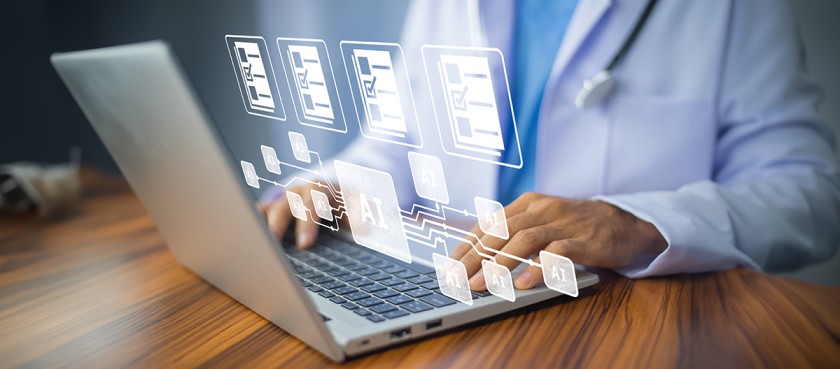
Medical records are important to any individual and allowing access to them just enhances the doctor-patient relationship increasing transparency and trust. Patients get a sense of satisfaction when they are provided with necessary information regarding their health, it leads to better health outcomes, and the decision-making abilities of doctors are enhanced.
Clear and Open Communication
Patient communication software promotes direct and open interaction between individuals and their health officers. It includes safe messaging platforms that allow patients to ask questions, clear doubts, and receive responses on time. therefore minimizing risks of complication. Patients feel less anxious and feel supported throughout their care journey.
5. Streamlined Administrative Processes
Efficient Patient Intake Electronic patient intake forms streamline the- Check-in process
- Reducing wait times
- Improving the overall patient experience.
Patient communication software often includes integrated billing and payment features, making it easier for patients to view and pay their bills online. This convenience reduces the administrative burden on both patients and staff, ensuring a smoother financial transaction process. Simplified billing enhances patient satisfaction by reducing confusion and making the payment process more transparent.
6. Proactive Health Management
Regular Follow-ups and Reminders Automated follow-up reminders for appointments, medication, and health check-ups keep patients engaged in their care. These reminders help manage chronic conditions and promote preventive care, leading to better health outcomes. By ensuring patients adhere to their care plans, healthcare providers can improve patient health and satisfaction. Remote Monitoring and Telehealth Telehealth and remote monitoring features allow healthcare providers to track patient health status outside the clinic. This is particularly beneficial for managing chronic conditions and providing timely interventions. Patients appreciate the convenience of remote consultations and continuous monitoring, which enhance their overall care experience and satisfaction.7. Effective Feedback Collection and Continuous Improvement
Patient Surveys
feedback is a great way to know the satisfaction levels of your clients, patient communication software features this element that can be used to send
- Automated surveys,
- Gathering valuable feedback on patient experiences.