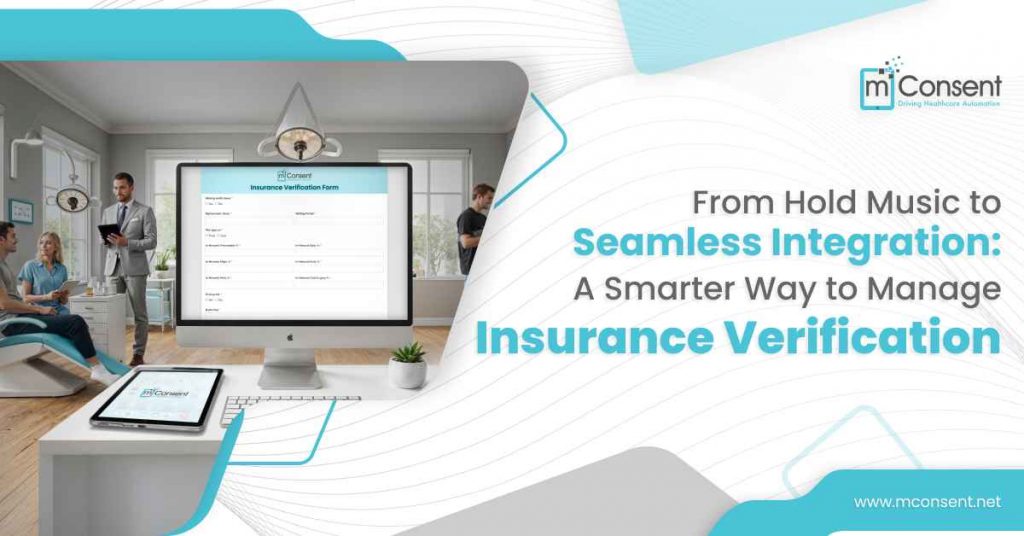




Imagine dialing an insurance company with the dreaded hold music waiting to welcome you. Time stretches into hours, and insurance verification becomes a game of patience. This is a daily struggle for healthcare providers, affecting not just workflow but the patient experience as a whole.
What if there were a smarter way? Enter seamless integration in insurance verification– an innovation that promises to transform how healthcare handles insurance processes.
The Current Landscape of Insurance Verification
Challenges Faced
There can be a snare of inefficiencies surrounding healthcare providers trying to verify the patient’s insurance. Generally, the classic methods are lengthy, error-prone, and devour many resources. Thus, manual patient insurance verification typically involves multiple calls, long holding times, and possible human error. This can also lead to denials or improper billing.
Role of Insurance Verification Specialists
The unsung heroes in this process are the insurance verification specialists. Their day revolves around verifying patient insurance details, confirming coverage, and ensuring all the necessary documentation is in place before the services are rendered. However, despite their best efforts, the manual nature of the task can limit their efficiency and effectiveness.
Impact on Patient Experience
Slow or inaccurate insurance verification has consequences flowing through the entire patient journey. It leads to increased patient wait time and billing surprises or overall dissatisfaction toward the healthcare provider. Patients have expectations in a fast-paced world for smooth interactions without hassle. Outdated methods of verification, therefore, do not meet this expectation.
The Evolution of Insurance Services
Technological Developments
Technological development has transformed the face of the insurance industry. It introduced automation and AI and, therefore, new verification methods. This allows insurance verification with reduced time and effort. All this can be automatically retrieved and verified in real-time, thereby lessening manual workload.
Integrating it into Healthcare Systems
One of the most important developments is integrating insurance verification systems with healthcare practice management software. This seamless integration allows for real-time updates and ensures that patient information is accurate and up-to-date at every touchpoint, from scheduling to billing.
Real-time Verification
Real-time insurance verification eliminates the back-and-forth traditionally associated with this process. Providers can immediately verify patient insurance details, understand coverage limitations, and address any issues before the patient arrives for their appointment. This improves efficiency while enhancing the overall patient experience.
Benefits of a Smarter Insurance Verification Process

Increased Efficiency
With automation and integration, healthcare providers can significantly reduce the time spent on insurance verification. This allows administrative staff to focus on more critical tasks, enhancing overall productivity and reducing operational costs.
Enhanced Accuracy
Automated systems reduce the risk of human error, ensuring that insurance details are accurately captured and verified. This leads to fewer denied claims and less follow-up work for the billing department, creating a smoother revenue cycle.
Improved Patient Satisfaction
Patients like efficiency. When insurance verification is fast and accurate, the wait times for patients are reduced, and there are fewer billing surprises. This results in a higher satisfaction rate and a stronger patient-provider relationship.
Implementing a Seamless Insurance Verification System
Selection of the Correct Solution
Choosing the correct insurance verification system is crucial. Providers must select solutions that allow for a robust integration mechanism, real-time updates, and easy-to-use interfaces. An appropriate vendor that provides thorough training and support would help the transition become easier.
Training and Adoption
It will be successful if the whole team gets on board with change. The training should cover enough so that all staff will know how to use the system effectively. The vendor can sustain continuous support toward resolving issues during the transitional period.
Case Study/Example
Consider a mid-sized clinic that has recently implemented an integrated insurance verification system. In a matter of months, they reported a 40% reduction in verification time and a considerable decrease in billing errors. Patients were happier, and the administrative staff could focus on improving other aspects of the clinic’s operations.
Overcoming Common Implementation Challenges
Integration Issues
Integrating new systems with an existing workflow will be challenging, so providers will need to get close to their vendors to be sure that new systems will integrate as seamlessly as possible with their existing practice management software.
Staff Resistance
Change is often met with resistance. Clear communication about the new system’s benefits, coupled with thorough training, can help alleviate concerns and encourage adoption.
Ongoing Support
It does not stop at implementation. After that comes the constant support and updates from the vendor, which means the system must evolve according to the provider’s needs to add value.
The Future of Insurance Verification
Emerging Trends
With further development in AI and machine learning, the future of insurance verification seems bright and promises to get even more straightforward.
Predictive analytics will soon help providers predict and solve verification problems even before they become issues. With further technological advancement, the advantages of more intelligent insurance verification systems will be even more prominent. The health care providers can expect more operational efficiency, better patient outcomes, and a sustainable revenue cycle.
Conclusion
The days of sitting on the phone waiting to have your insurance verified are long gone. More innovative, integrated solutions will help change the face of healthcare operations to impact patient satisfaction and outplay a growing market positively. Don’t let outdated practices keep your practice back—bring seamless insurance verification to your facility today and begin experiencing the differences.
“
“